Particle systems are awesome! Not only can you create amazing effects, but you can also optimize code and push even more and more pixels to the screen. This post series will cover how to design a flexible particle system and apply a bunch of optimizations to run it faster. Flexible means that it can be used in real applications and for a variety of graphics effects.
For some time I have been playing around with my particle system. It seems to be a very interesting experiment to do! Today I just want to present some of current results and thoughts on future development.
So far I managed to create three different effects:
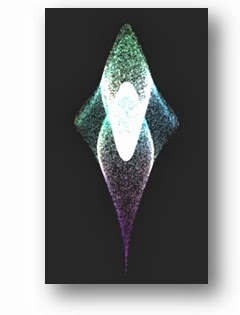
star tunnel: just round position generator + position update attractors: four attractors that affect acceleration of each particle fountain: simple collision detection with a floor Let us see some of the results…
When I was (re)implementing PhotoAlbum sample application I got stuck in one place. Program was about to load a list of textures (like 16 maybe) and suddenly I noticed that the whole process takes quite long time. More disappointing thing was that I got memory access errors for some images and configurations.
As it appears, our ability to code can be improved by taking some practices from martial arts! CodeKata is a catchy name for set of exercises that done regularly should make your coding skills better. Today I would like to share my “answers” to one of the Kata - karate chop, or simply the binary search algorithm.